
ONE DAY WORRY FREE INSTALLATION AVAILABLE IN YOUR AREA
Or DIY friendly delivery statewide. Use your own contractor, or ask about professional installation options where available.
If stepping into a bathtub has started to feel risky, you are not alone. Many California families reach a moment where they want a safer routine, more independence, and fewer close calls. A walk in tub can be a practical upgrade because it turns bathing into a predictable sequence: step in, sit down, then fill.
This page is built to help you make a confident decision. You will see how sizing works, what features truly matter, how hydrotherapy fits in, and what to expect from installation or delivery. Most importantly, you can request a fast quote based on your ZIP so you are not guessing.
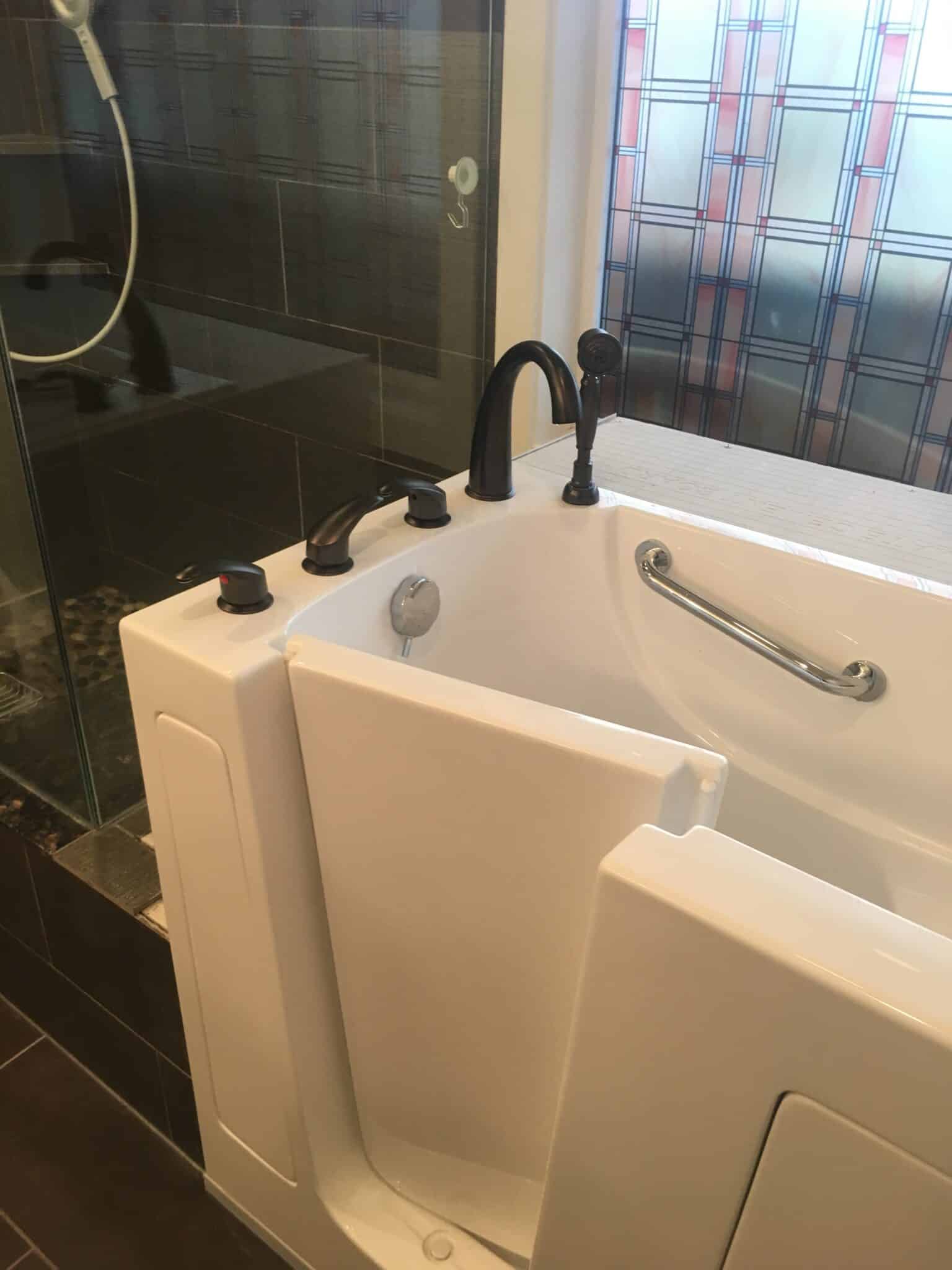
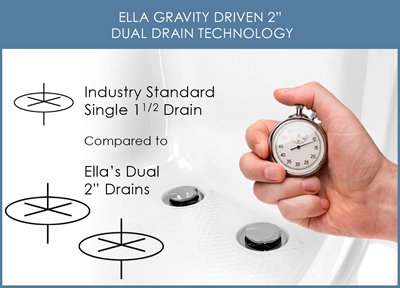
California is large, and needs vary by region. However, the goal is the same across the state: reduce bathing risk while keeping comfort high. We serve major metro areas and smaller towns. In addition, we can ship tubs statewide so you can use a local contractor or plan an installation approach that fits your timeline.
We help families in large population centers and surrounding communities. That includes, but is not limited to:
Falls are a leading cause of injury for older adults, and the risk increases with age. For many families, the bathtub becomes the most stressful room in the house because it combines water, slippery surfaces, and awkward movement.
If you want reputable background resources, California has official programs focused on fall prevention and home safety, including California Department of Aging fall prevention information and California public health guidance. :contentReference[oaicite:1]{index=1}
In practical terms, a walk in tub does not replace balance training or medical guidance. However, it can reduce daily risk by making the routine more controlled: step in, sit down, and then fill. That change alone can be meaningful.
It is easy to get lost in feature lists. Instead, start with your daily reality: how you move, where you feel unsteady, and what would make bathing feel calmer. Then, match the tub to that. When you choose based on function, you avoid paying for the wrong extras.
For some people, safety is a low entry threshold and a seat that feels stable. For others, safety is a faster drain time and a layout that reduces twisting. If you are shopping for a parent, ask what moment feels hardest: stepping in, lowering down, standing up, or turning. That one answer often makes the best tub choice obvious.
Size is not just comfort. It is also transfer ease, caregiver support, and long term usability. A person can “fit” in a tub and still feel cramped. Therefore, we recommend choosing the largest size your bathroom layout reasonably supports.
Door placement matters too. Inward or outward opening doors change how you enter and how you use the space. In many homes, outward opening doors work well because they can feel more natural when stepping in.
If you already know you need extra room, consider a bariatric option built specifically for larger adults: Bariatric 35 x 55 walk in tub.
Many California customers first call because of safety, but then discover that comfort is the reason they keep using the tub daily. Hydrotherapy jets can support relaxation, especially for sore joints and stiff muscles. Still, it is not “all or nothing.” A soaking tub can be a huge improvement on its own.
If you are comparing options, these pages can help: Hydrotherapy bathtub overview and Therapeutic benefits.
The best approach is simple: choose hydrotherapy when it increases the likelihood that you actually use the tub. Consistent use is what creates value.
A practical way to compare options (typical priorities)
These are common decision drivers we hear from California families. Your priorities may differ. This is meant to help you talk through tradeoffs quickly.
People often ask for a single price, but real costs depend on the tub configuration and the installation scope. However, you can still understand the big drivers. Once you know them, you can avoid surprises and get to a realistic number faster.
If you want to browse categories quickly, start here: All walk in tubs.
If you want a California specific reference point, you can also review the main site’s California page: California walk in tubs and roll in showers .
Some families start by shopping for walk in tubs, then realize a roll in shower may better match their mobility level, especially if wheelchair access is the primary need. Others prefer a tub because soaking is part of comfort and routine. The right answer depends on how you move today and how you expect mobility to change over time.
If you are comparing options, these pages are helpful: Handicap showers and the Showers4Less catalog for barrier free systems: Showers4Less locations.
A clear way to decide is to ask one question: “What will make bathing safer this month?” Start there, then build toward the long term plan.
Photos can reveal what spec sheets hide. For example, you can see seat height, control placement, interior space, and how the door aligns with the floor. As you review images, focus on the experience: can you step in, sit, and reach everything comfortably without twisting?
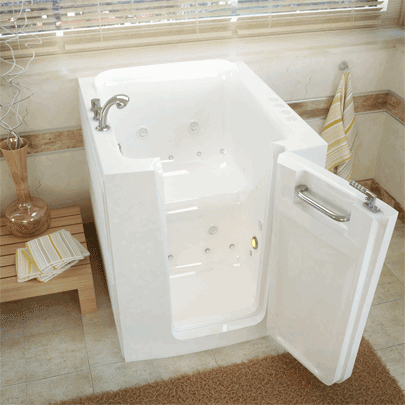
Front entry style that many people find intuitive for stepping in and sitting down first.
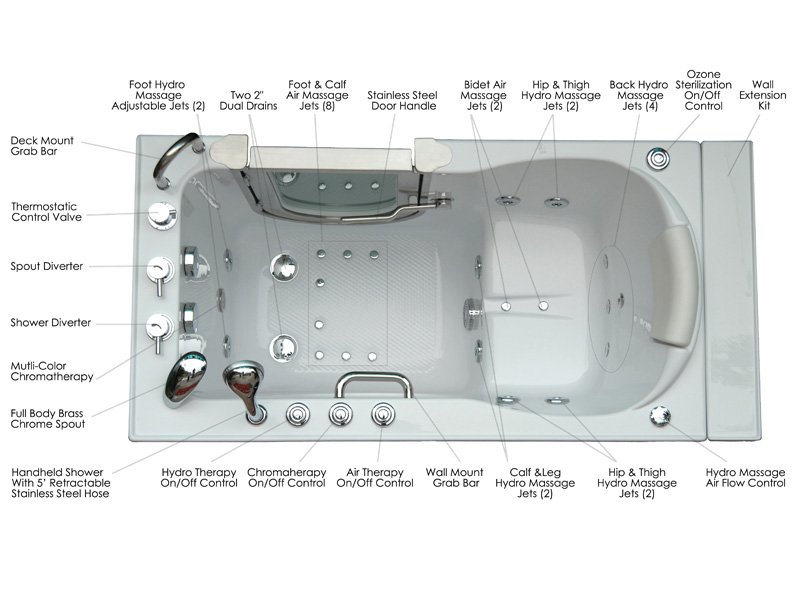
Layout matters. Look for reachable controls, comfortable seating, and stable hand placement.
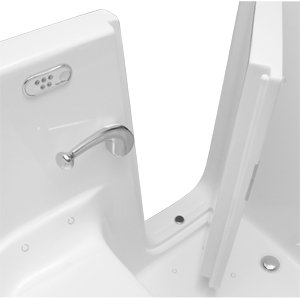
Control placement should be reachable without leaning. This improves confidence and comfort.
If you like to verify information with official sources, here are three reputable resources that many families find useful:
While a walk in tub is not a medical treatment, it can be part of a safer home setup when combined with good lighting, clear pathways, and a simple routine.
Share your ZIP and a few details. Then we can recommend the most relevant options for your layout and comfort goals. If you prefer, you can also call. Either way, the goal is to keep it simple and helpful.
Get pricing and availability in your area
First, we confirm your ZIP and basic layout needs. Then, we recommend a small set of options that match how you move, what feels difficult, and what would make bathing safer. If your home qualifies for a one day swap style installation, we will tell you.
If you prefer DIY delivery, that is also straightforward. Many California homeowners already have a trusted contractor, and they simply want the right tub delivered.
Helpful internal resources (optional):
Walk in tubs catalog •
Hydrotherapy options •
Contact Aging Safely Baths
These answers are written to be practical. They are meant to help you make a decision you will feel good about six months from now. If you want a personalized recommendation, submit your ZIP above.
If you want to keep researching, these pages are designed to help you compare options quickly. This also keeps your decision grounded in real product categories and proven resources instead of generic marketing claims.
Some California buyers compare walk in tubs to barrier free showers. If you are weighing both, these are useful starting points:
A practical strategy is to choose the option that reduces daily risk fastest, then plan the next improvement once you have a safer routine.
We are committed to providing a website that is accessible to the widest possible audience, including seniors and individuals with disabilities. We strive to improve usability and readability by following best practices for clarity, contrast, and simple navigation.
If you experience any difficulty accessing content on this website, or if you need assistance using any part of the site, please let us know. We take accessibility feedback seriously and will make reasonable efforts to address concerns.
You can contact us at accessibility@agingsafelybaths.com for accessibility-related support.